Why Yelling Makes Kids More Dysregulated (According to the Nervous System)
Most parents don’t plan to yell.
It happens in a moment.
You’re overwhelmed.
Your child isn’t listening.
You’ve repeated yourself five times.
And suddenly your voice rises.
Maybe it works — briefly.
Your child freezes.
Stops.
Gets quiet.
But later?
The same behavior shows up again.
And the cycle repeats.
If you’ve ever wondered:
“Why doesn’t yelling actually fix anything?”
The answer isn’t about discipline style.
It’s about the nervous system.
What Happens in a Child’s Body When You Yell
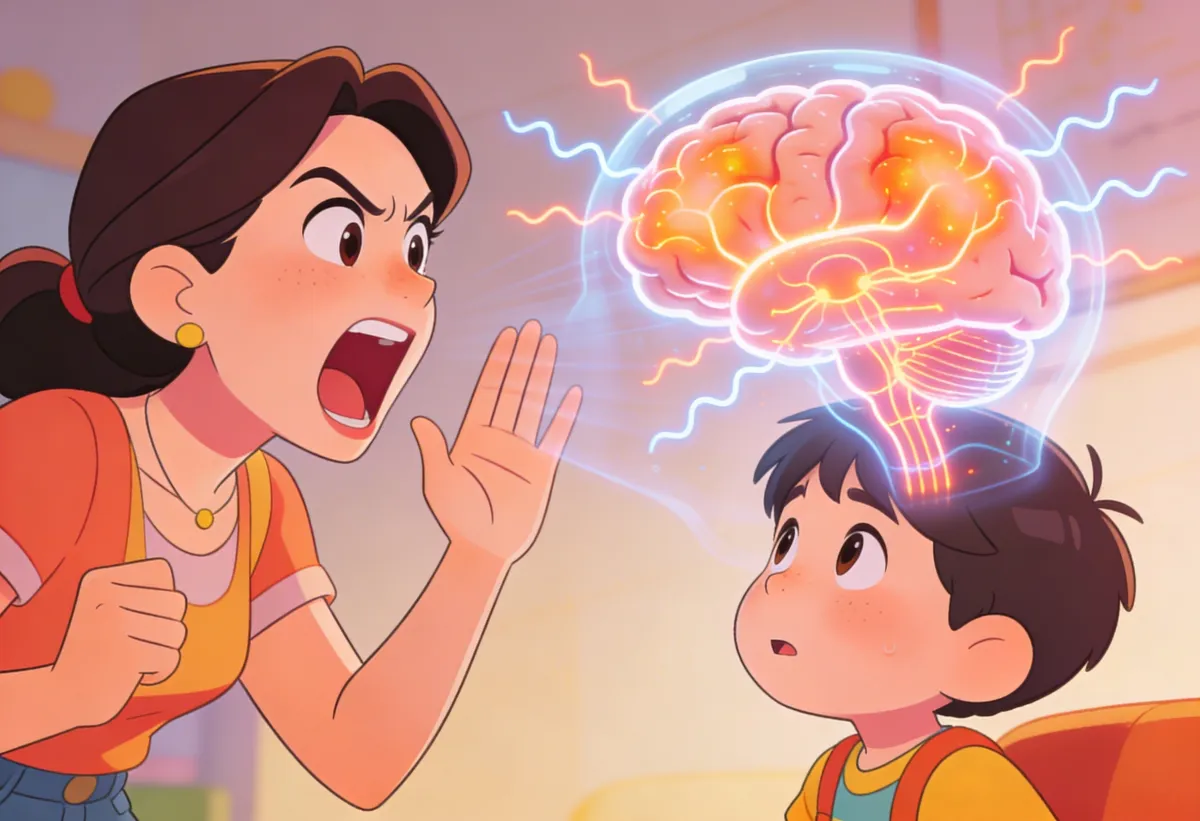
When a parent yells, a child’s nervous system reacts instantly.
Not thoughtfully.
Not logically.
Automatically.
The brain interprets yelling as a threat.
And when the brain detects threat, it activates survival mode.
That survival mode looks like:
Fight
Flight
Freeze
This is not defiance.
It’s biology.
🎥 The Brain on Stress
This short explanation helps visualize what happens when a child’s emotional brain takes over:
👉 The Upstairs Brain / Downstairs Brain Explained
When the “downstairs brain” takes control, reasoning goes offline.
That’s the state yelling pushes children into.
Why Yelling Can Stop Behavior — But Not Teach Regulation
Yelling often works short term.
Because fear creates compliance.
But fear does not build skills.
When a child freezes after being yelled at, they aren’t learning:
“I understand why that was wrong.”
They’re learning:
“I need to avoid getting in trouble.”
That’s a very different lesson.
The Nervous System Doesn’t Learn in Survival Mode
Learning requires:
Safety
Emotional stability
Cognitive access
When a child feels threatened, cortisol rises.
Heart rate increases.
Muscles tense.
The brain prioritizes survival over learning.
That means:
Reasoning is reduced.
Memory formation is impaired.
Emotional tolerance decreases.
So yelling may quiet behavior.
But it dysregulates the nervous system.
🎥 What Chronic Stress Does to Kids
This short video explains how repeated stress impacts children:
👉 How Stress Affects a Child’s Brain
Even mild but repeated stress responses can increase reactivity over time.
Why Yelling Often Escalates Big Emotions
When you yell during a meltdown, your child’s nervous system spikes higher.
If they were at an 8, yelling can push them to a 10.
That may look like:
Louder screaming
Hitting
Running
Total shutdown
Yelling adds intensity to an already overwhelmed system.
It doesn’t reduce it.
But Sometimes Yelling Feels Like the Only Thing That Works
Let’s be honest.
There are moments when yelling feels like the only way to get attention.
And sometimes it works quickly.
That’s because it activates fear.
Fear commands attention.
But fear also reduces trust.
And over time, repeated yelling can lead to:
Increased anxiety
Lower emotional resilience
Heightened sensitivity
Either rebellion or withdrawal
Neither supports regulation.
What Happens Instead When You Stay Calm
When you lower your voice instead of raising it, something powerful happens.
Your child’s nervous system mirrors yours.
This is called co-regulation.
The human nervous system is wired to sync with others.
If you escalate, they escalate.
If you steady, they settle.
🎥 Co-Regulation Explained
This short video explains how children borrow regulation from adults:
👉 Co-Regulation for Parents Explained Simply
Your calm nervous system is the fastest regulation tool available.
Yelling Triggers Shame — Not Skill Building
Beyond biology, yelling often carries emotional meaning.
Children may interpret yelling as:
“I’m bad.”
“I mess everything up.”
“I’m too much.”
Shame shuts down learning.
Safety opens it.
If the goal is emotional intelligence, shame is not the path.
Why Yelling Becomes a Habit
Yelling is often less about the child and more about:
Parental overwhelm
Lack of support
Chronic stress
Sleep deprivation
When your nervous system is overloaded, your window of tolerance shrinks.
That’s not a parenting failure.
It’s human physiology.
Breaking the Yelling Cycle
You don’t have to become perfectly calm overnight.
Small shifts matter.
Try this:
Lower your volume instead of raising it.
Pause before repeating instructions.
Move physically closer instead of shouting across a room.
These micro-changes regulate more effectively than volume ever will.
🎥 A Simple Reset Strategy for Parents
If you feel yourself about to yell, try this 30-second reset:
👉 Parent Reset Strategy for Stress Moments
Short resets prevent long regrets.
What to Do Instead of Yelling
Here are alternatives that still maintain authority.
1️⃣ Use a Firm, Calm Voice
Authority does not require volume.
Calm, steady tones communicate leadership more effectively than yelling.
2️⃣ State Boundaries Clearly
You can say:
“I won’t let you hit.”
“We are leaving in two minutes.”
“That’s not safe.”
Short. Clear. Calm.
3️⃣ Get Physically Present
Often yelling happens from another room.
Walk over.
Make eye contact.
Touch a shoulder gently if welcomed.
Proximity regulates.
4️⃣ Teach Skills After Calm Returns
Once everyone is regulated, reflect:
“What happened?”
“What could help next time?”
That’s when learning sticks.
What If You Already Yelled?
You’re not disqualified from calm parenting.
Repair matters more than perfection.
Repair sounds like:
“I yelled because I felt overwhelmed. I’m working on using a calmer voice.”
This teaches:
Accountability
Emotional awareness
Growth
And it rebuilds trust.
Long-Term Effects of Reducing Yelling
When yelling decreases, you may notice:
Faster recovery from conflict
Less fear-based compliance
More openness
Reduced reactivity
Calm builds capacity.
Calm Does Not Mean Passive
Staying regulated does not mean:
Allowing harmful behavior
Avoiding boundaries
Ignoring issues
It means enforcing boundaries without dysregulating the nervous system.
That’s powerful parenting.
Final Thoughts
Yelling may stop behavior in the moment.
But it dysregulates the nervous system.
Calm may feel slower.
But it builds skills.
If your goal is:
Emotional resilience
Self-regulation
Secure connection
Then calm leadership outperforms raised voices every time.
And if you’re learning this in real time?
You’re not behind.
You’re growing.
💛 Want tools that help you stay steady in hard moments?
RaiseCalm tools are designed to support nervous system regulation for both parents and children — so calm becomes repeatable, not accidental.
Because the loudest voice isn’t the most powerful.
The steady one is.